

Every molded component begins with a problem to solve. The part may need to carry load, provide electrical insulation, withstand heat, resist chemicals, reduce weight, improve assembly, or perform reliably in a demanding environment. At the same time, it must meet dimensional, quality, production, cost, and availability requirements.
Part design is often where that solution starts to take shape, but successful custom molded component performance depends on more than geometry alone. Material selection, molding process, tool design, dimensional control, manufacturability, process control, and end-use requirements all influence the final outcome.
At Davies Molding, we evaluate these factors together. By combining engineering, tooling, material knowledge, and manufacturing expertise early in the process, we help customers develop components that are optimized for both performance and production.
It Starts With Understanding the Application
Before discussing tooling or processing methods, we focus on understanding how the component will be used.
Questions we commonly evaluate include:
- What mechanical loads will the part experience?
- Will it be exposed to heat, chemicals, moisture, or UV exposure?
- Are there electrical performance requirements?
- What dimensional tolerances are critical?
- What production volumes are expected?
- Are there assembly or integration requirements?
- What are the quality requirements that must be met?
The answers help guide material selection, tooling strategy, and manufacturing approach from the outset.
Material Selection Is Only One Piece of the Equation
Selecting the right material is important, but even the best material can underperform if the design or manufacturing process is not optimized.
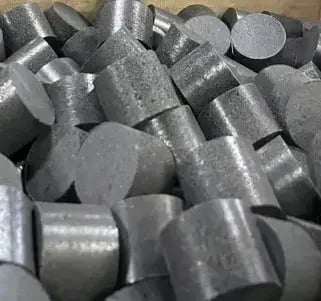
Our team works with customers to evaluate:
- Mechanical, thermal, electrical, and environmental performance requirements
- Material performance, cost, and availability tradeoffs
- Opportunities to improve durability, dimensional stability, or weight reduction
- Regulatory and application-specific requirements
- Long-term product lifecycle considerations, including service environment and expected life
- The goal is to identify a material solution that supports both product performance and manufacturing efficiency.
Designing for Manufacturability
Many performance challenges can be addressed long before a mold is built.
During the review process, our engineers evaluate:
- Part geometry and wall thickness
- Gate location and material flow paths
- Venting strategy and potential air trap locations and ejection considerations
- Tolerance requirements
- Opportunities to simplify production or assembly
- Are there assembly or integration requirements?
- The molding process best suited for the application's performance, volume, and cost requirements whether that involves compression molding, injection molding or another manufacturing approach
Addressing these factors early can improve quality, reduce production risk, and help avoid costly design changes later in the project.
Tooling Decisions That Impact Part Performance
Tooling is more than a production asset. It plays a significant role in part consistency and repeatability.
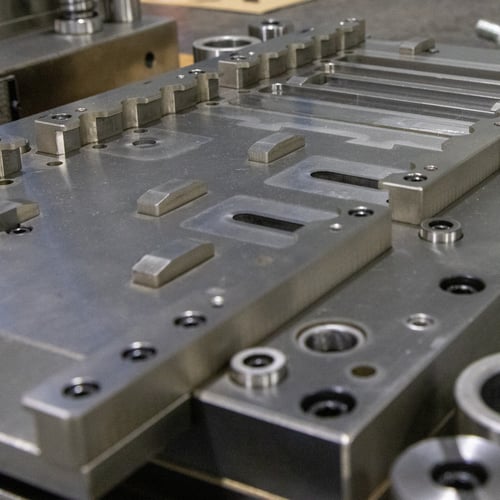
When developing tooling strategies, we consider:
- Production volume requirements
- Single-cavity, multi-cavity, and family tool approaches
- Material flow, balanced fill, and packing characteristics
- Surface finish requirements
- Dimensional control objectives
- Long-term tool maintenance considerations
These decisions help support consistent part quality throughout the life of a program.
Evaluating Inserts, Assembly, and Secondary Requirements
Some molded components are not just standalone parts. They may include metal inserts, threaded features, post-mold machining, assembly steps, or customer-specific finishing requirements.
During the review process, Davies evaluates how these requirements affect material selection, tooling, processing, and total production cost.
Depending on the application, this may include:
- Insert molding requirements
- Threaded inserts, bushings, or metal components
- Post-mold machining or drilling
- Surface finish or cosmetic requirements
- Assembly, packaging, or inspection requirements
- Opportunities to reduce unnecessary secondary operations
Process Control Matters
A well-designed part and tool still depend on consistent manufacturing execution.
Davies emphasizes process control through:
- Controlled processing parameters
- Standardized setup procedures
- Material handling best practices
- Quality verification processes
- Continuous monitoring of production performance
This focus helps maintain consistency from product development through full-scale production.
Collaboration Creates Better Outcomes
The most successful projects often begin with engineering discussions long before production starts.
By working with customers early, we can help evaluate material options, identify manufacturing considerations, improve part designs, and reduce potential production challenges before they become costly issues.
This collaborative approach allows us to align design intent, manufacturability, and performance objectives from the beginning.
Building Better Parts Starts Before the Mold Is Built
Successful molded components are rarely the result of a single decision. They are the product of thoughtful engineering, material selection, tooling strategy, and manufacturing expertise working together.
At Davies Molding, we believe that understanding the application and evaluating the complete picture before production begins is one of the most effective ways to improve performance, reliability, and long-term value.
How Your Molding Partner Should Think
Every molded component begins with a problem to solve. The part may need to carry load, provide electrical insulation, withstand heat, resist chemicals, reduce weight, improve assembly, or perform reliably in a demanding environment. At the same time, it must meet dimensional, quality, production, cost, and availability requirements.
Part design is often where that solution starts to take shape, but successful molded component performance depends on more than geometry alone. Material selection, molding process, tool design, dimensional control, manufacturability, process control, and end-use requirements all influence the final outcome.
A strong molding partner should evaluate these factors together. By combining engineering, tooling, material knowledge, and manufacturing expertise early in the process, the right supplier can help develop components that are optimized for both performance and production.


